
How Community Impacts Commercial Real Estate

Being active and involved in community is one of the key aspects of Blue Zones, places in the world with the most people aged 100 or older. These areas were identified by Minneapolis local Dan Buettner (sparked from his travels while biking around the world) along with a team of researchers. Community involvement provides a strong sense of purpose and sense of belonging. On an individual health side, it correlates to lower rates of Alzheimer’s and higher life expectancy. On a commercial real estate side, here’s how community impacts your commercial real estate assets or business:

1. Community is good for property value and business. For developers and investors, actively building community into commercial projects is no longer just "nice-to-have”, it’s a proven strategy for maximizing ROI and reducing risk. Albert Lea is still seeing positive effects from its Blue Zones Project that has revitalized their downtown area from the economic slump of 2008. In addition, Seattle is also seeing an uptick in Pike Place visits and sales from its pilot pedestrian zone, a people-focused space. Eastside Food Co-op, a community owned grocery store, is a deeply rooted hub in Northeast Minneapolis and an economic anchor on Central Avenue. These socially connected environments are having a positive impact.
2. Fixing up a property’s curb appeal increases property value and its marketability but also makes the area safer and more appealing for community members. When property owners remove visual markers of decay (i.e., litter, overgrown landscaping, peeling paint, and weeds growing out of cracked pavement) firearm, violent, and nuisance crime is deterred. Decay attracts offenders and signals that can get away with stuff there!
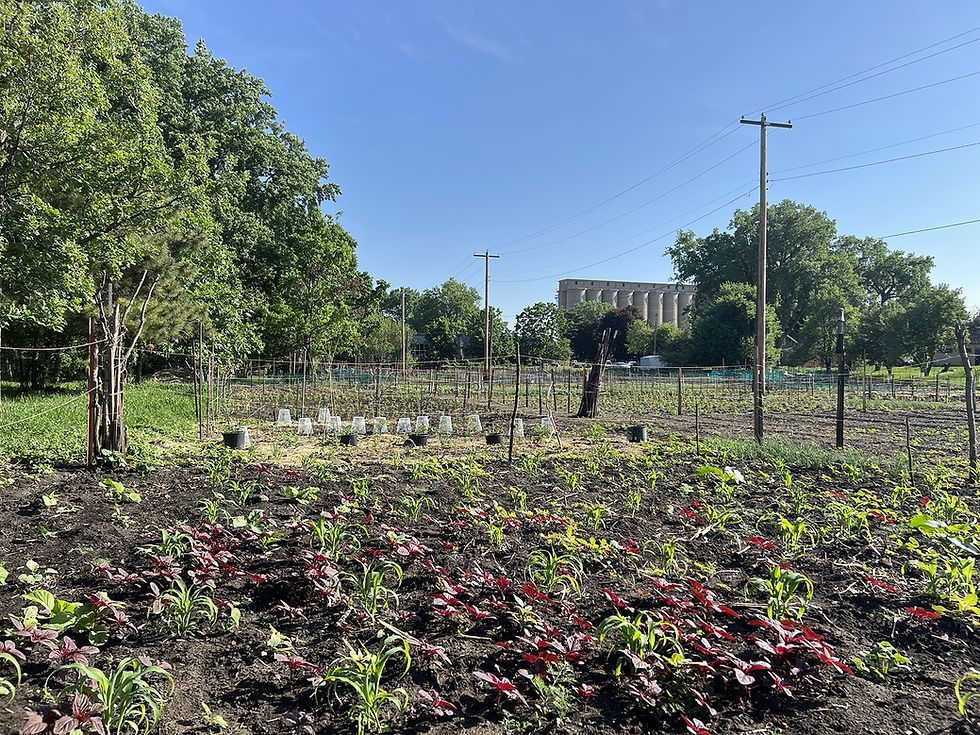
3. Partnering with nonprofits can be beneficial for turning vacant land and underutilized buildings into properties that positively serve the community. It’s easier to market properties and find tenants when owners and the community work together to make the area a good place to do business. Minneapolis has several community-driven initiatives transforming vacant commercial land and underutilized buildings to create thriving commercial areas. Greening vacant land impacts people’s perceptions of the area and that in turn leads to stabilized or increased property values.

4. Commercial properties can be landmark community gathering places. We have two current listings that do just that. For sale in small town Albany, MN, the Albany Home Bakery is a cherished local staple where locals gather to laugh, enjoy the sweets 🍩, and make memories. In Sartell, MN, single office or suites are available for lease in a building that shares space with Blue Line Sports Bar & Grill, a prominent local hangout and community hub. Join the crowd for a Wild game next season! 🏒 They came so close this year!
5. Community involvement builds trust and reduces resistance. Showing up at events and supporting local charities builds brand awareness and can reduce resistance down the road for property or business owners that want to make changes. Within regulations, it’s always up to the owner to sell or make changes but deals that are inherently good for the community will face limited push back.
Conclusion
Community-driven commercial real estate is a win-win strategy. It maximizes ROI, reduces local crime through better curb appeal, and unlocks the potential of underutilized spaces. Building community is simply good business and an investment in both human well-being and financial returns.

Jeff Salzbrun is the owner/broker of Commercial Equities Group (CEG). As a veteran-owned real estate brokerage, CEG has been involved in thousands of sale and lease transactions, ranging from single offices to 250,000+ square foot buildings. At CEG, we get your deal done. We know space, and we know the CRE business.


